

CATEGORIES
NEWs


CATEGORIES
NEWs
-

Overload Burnout Root Cause Analysis: High-current anti-spark connector safety threshold test
Overload Burnout Root Cause Analysis: High-current anti-spark connector safety t
-
Humid Environment Corrosion Test: High-current anti-spark connector aging failure summary
Humid Environment Corrosion Test: High-current anti-spark connector aging failur
-
Overheating Failure Research: High-current anti-spark connector long-load damage mechanism
Overheating Failure Research: High-current anti-spark connector long-load damage
-
Locking Structure Custom Upgrade: High-current anti-spark connector anti-loosening transformation solution
Locking Structure Custom Upgrade: High-current anti-spark connector anti-looseni
-
Multi-pin Combination Custom Scheme: High-current anti-spark connector space-saving structural design
Multi-pin Combination Custom Scheme: High-current anti-spark connector space-sav
-
Single-row Terminal Custom Modification: High-current anti-spark connector layout optimization analysis
Single-row Terminal Custom Modification: High-current anti-spark connector layou
-
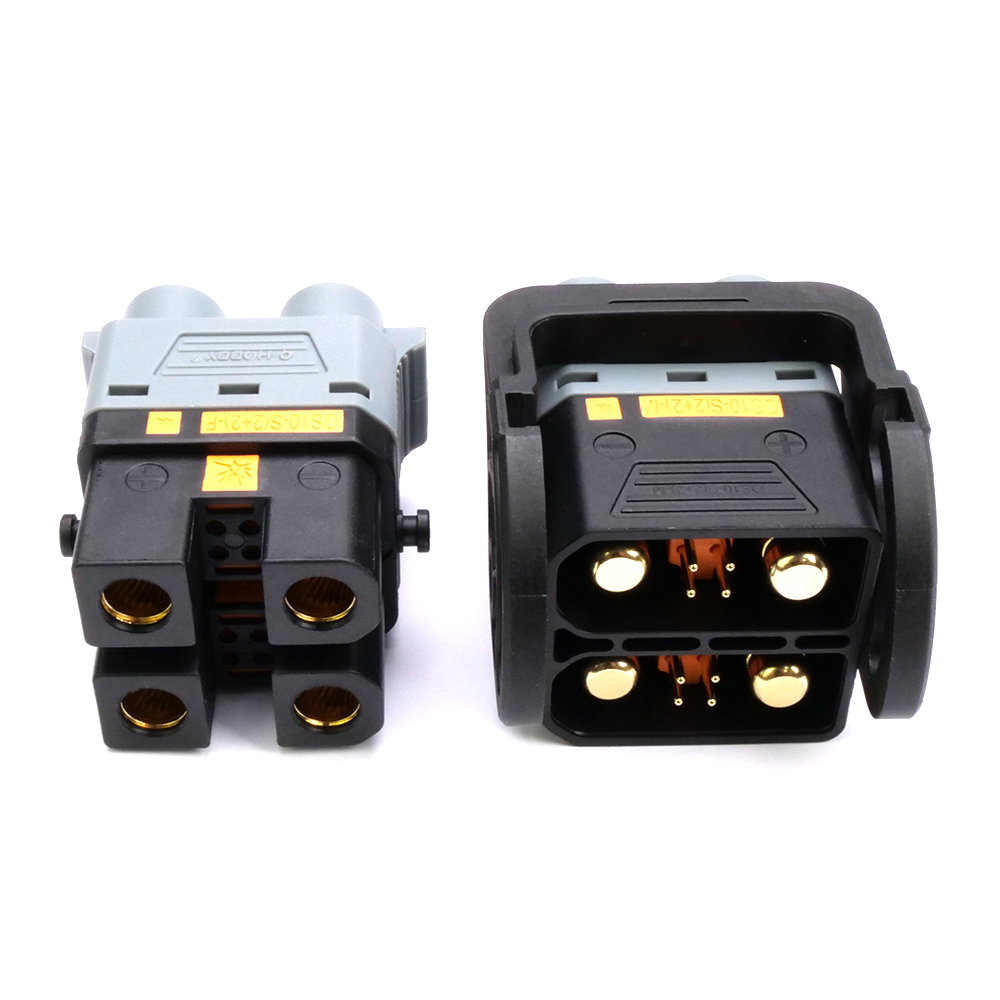
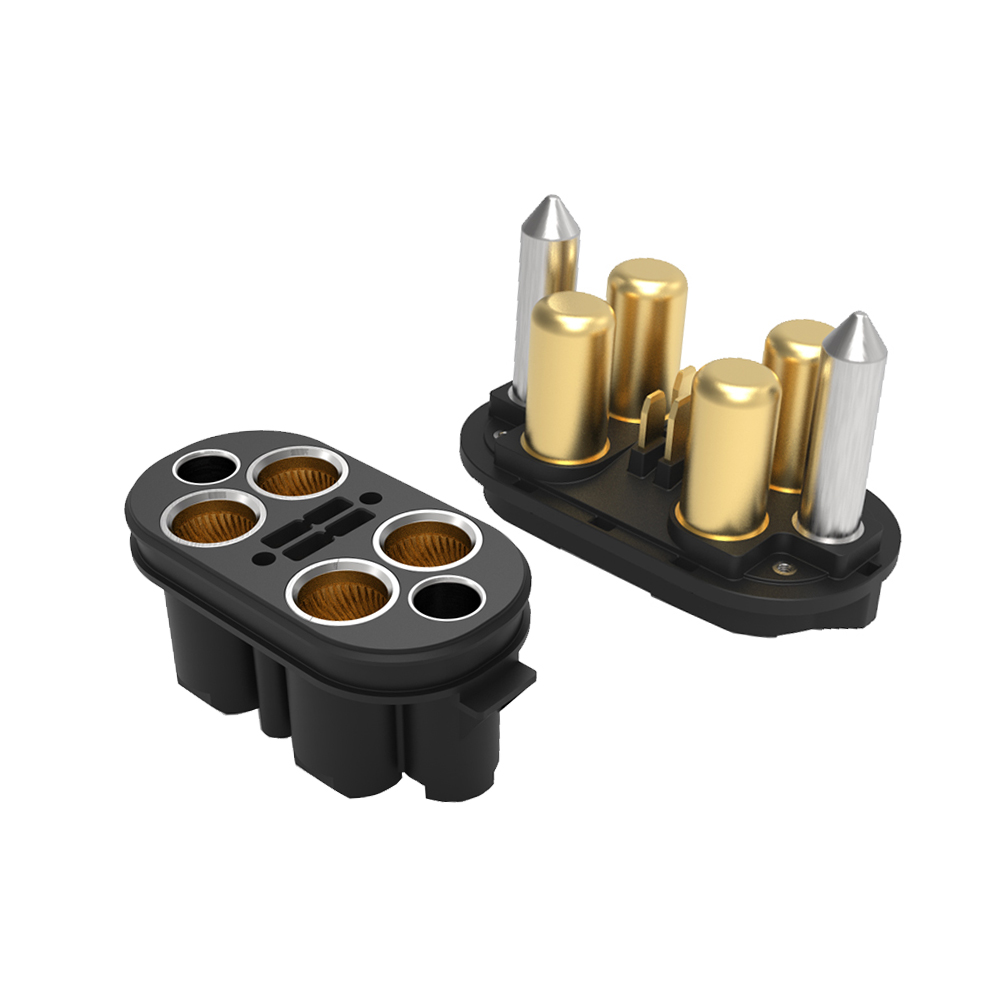
Double-row Pin Custom Design: High-current anti-spark connector high-density layout of large current anti-spark connector | Explanation: Save space for compact power equipment
Introduction: Space & Safety Pain Points of Compact New Energy EquipmentEngineer
-
Short-circuit Damage Analysis: High-current anti-spark connector Failure root cause of large current anti-spark connector
Introduction: Hidden Short-circuit & Arc Damage Pain Points in High-current Conn
-
Wire Gauge Matching Principles in Connector Customization Match wire sizes to customized connector current throughput
Introduction: The Hidden Risk of Mismatched Wire Gauge & High-Current Connectors
-
Peak Current Tolerance Matching in Custom Connector Orders Adapt connectors to withstand equipment peak current surges
Introduction: The Hidden Risk of Unmatched Peak Current in High-Power SystemsFor



Premium Cable Solutions
High-quality cables designed for superior performance and reliability across all your connectivity needs


Copyright © 2002-2026 YOUWEI TECHNOLOGIES(DONGGUAN) Ltd. All Rights Reserved.
Copyright © 2005-2015 YOUWEI TECHNOLOGIES(DONGGUAN) Ltd. All Rights Reserved.